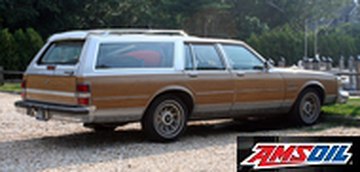
Engine Lubrication and Maintenance for the 1983 Buick ELECTRA 4.1L
Maintaining a vehicle of this era requires a focus on consistent monitoring and proactive care. For the 1983 Buick ELECTRA equipped with the 4.1L engine, regular lubrication service is a fundamental component of long-term mechanical health. Because older engines can exhibit different behaviors regarding fluid retention and thermal management compared to modern vehicles, understanding how to observe and respond to changes in your engine's condition is essential for any owner.
Monitoring Fluid Integrity and Potential Seepage
One of the most effective ways to monitor the health of a 4.1L engine is through regular visual inspections of the engine bay. Over time, various gaskets and seals may undergo changes in their ability to maintain a perfect seal. Rather than assuming a component has failed, it is more productive to look for evidence of seepage or active leaks.
When performing routine checks, look for dark, oily residue around sealing surfaces. This can often be identified by a buildup of grime that adheres specifically to areas where fluid has escaped and then collected dust. If you notice fresh wetness on the underside of components or near the bottom of the engine block, it warrants further investigation. Additionally, checking the condition of hoses, if present, is a wise practice; look for any signs of swelling, cracking, or softening that might indicate they are nearing the end of their service life.
It is also helpful to observe the area around the drain plug and the oil filter location during an oil change. Ensuring these areas are clean and free of debris helps you more easily identify if a leak develops shortly after service. If any unusual odors, such as the smell of heated oil, are detected while the engine is running, this can be associated with fluid contacting warmer external surfaces and should be investigated.
Observing Changes in Lubricant Condition
The appearance and behavior of your engine oil can provide significant clues regarding the internal state of the engine. While some changes are expected as oil ages, certain signs may indicate that maintenance needs to be addressed more frequently or that an underlying issue exists.
- Color and Clarity: While oil naturally darkens with use due to the accumulation of microscopic particles, extremely rapid darkening can sometimes suggest different operating conditions.
- Consistency: If the oil appears excessively thick or shows signs of unusual texture, it may indicate that the lubricant is not performing as intended.
- Consumption Levels: Regularly checking the oil level using the dipstick is vital. If you find that the vehicle requires more frequent top-offs than usual, this change in consumption should be noted and investigated to determine the cause.
If you notice any unusual mechanical noises during startup or while idling, these can sometimes be related to how the lubricant is flowing through the engine. While many factors contribute to engine noise, a sudden change in sound often warrants a professional inspection to ensure all components are receiving adequate lubrication.
Prioritizing Maintenance as the Vehicle Ages
For an owner of a 1983 Buick ELECTRA, effective maintenance is less about following a rigid, one-size-fits-all schedule and more about responding to the actual condition of the vehicle. Establishing a maintenance baseline is a highly effective strategy if you do not have access to a complete service history. By documenting every oil change, filter replacement, and inspection, you create a roadmap of the vehicle's needs.
When deciding where to focus your efforts, prioritize active concerns. If there is evidence of minor seepage or if the engine shows signs of increased lubricant consumption, these should be addressed before moving on to purely preventive tasks. Reviewing previous repair records can also help you distinguish between parts that are simply old and those that are actually showing signs of wear. This distinction helps prevent unnecessary component replacement while ensuring that critical systems remain functional.
As the vehicle continues to age, the frequency of your visual inspections may need to increase. A proactive approach—checking fluids and looking for leaks every few weeks rather than waiting for a scheduled service—can help catch small issues before they escalate into more significant mechanical concerns.
The Role of Lubrication in Engine Longevity
Engine oil performs several vital roles that extend far beyond simply reducing friction. It acts as a medium for heat management, helping to carry thermal energy away from high-temperature internal areas and toward the oil pan where it can dissipate. This helps maintain a more stable operating temperature within the engine block.
Furthermore, modern lubricant formulations are designed with advanced additives that assist in deposit control. These additives help prevent the buildup of sludge and other contaminants that can form as oil undergoes thermal stress and oxidation over time. By maintaining clean internal surfaces, the lubricant helps ensure that all moving parts continue to operate within their intended tolerances. Consistent attention to the quality and freshness of the oil is one of the most direct ways to support the continued operation of the 4.1L engine.
Practical Steps for Effective Ownership
Successful long-term ownership involves more than just mechanical work; it involves disciplined record-keeping. Keeping a dedicated log of all fluid changes, including the date and the specific products used, provides invaluable information if you ever decide to sell the vehicle or if you need to consult a technician about a specific symptom. This history allows you to see patterns—such as how often a certain component requires attention or how the oil consumption changes over several years.
If you are working with a vehicle where the previous maintenance history is unknown, do not be discouraged. Use your current observations to build that history from the ground up. Start by performing a thorough inspection of all accessible belts and hoses, checking electrical connections for corrosion, and ensuring the air filtration system is clean. These steps establish a baseline of "known good" components, making it much easier to identify when something actually changes in the future.
Buying Engine Oil for your 1983 Buick ELECTRA 4.1L
When you are ready to replenish your engine's lubrication, the most important step is to ensure the product matches the specific requirements of your application. Because different engines have unique needs based on their design and age, you should not rely on general assumptions about what an older vehicle might need.
Always refer to the application-specific oil viscosity and information provided on this webpage to guide your selection. When browsing products, check the labels carefully to ensure they meet the appropriate API certifications for service. Depending on your specific needs and the current condition of your engine, you may choose between conventional oils, synthetic blends, or full synthetic formulations. For engines with higher mileage that show signs of aging seals, some owners look toward high-mileage oil formulations, which contain additives intended to assist in maintaining seal integrity.
Before completing your purchase, verify that the product's specifications align exactly with the data displayed in the application information section above. Matching the lubricant to these specific details is the most reliable way to ensure you are providing the correct level of protection for your 1983 Buick ELECTRA 4.1L.